Service
Backend, APIs & Integrations
The engine underneath — APIs, databases, authentication, payments, and third-party connections.
Most products fail on the parts users never see. We build backends that hold up: properly modelled databases, documented APIs, secure authentication, and integrations that don't break when a third party changes something. The API and schema are documented, and the accounts and credentials are yours.
What's included
- Database design and data modelling
- REST API development and documentation
- Authentication, authorisation, and role management
- Payment gateway integration (Paymob, Stripe, local providers)
- Third-party integrations: SMS, email, maps, storage, ERP, CRM
- File handling and media pipelines
- Cloud deployment and environment setup
- Automated backups and monitoring
- Security review before launch
Proof
Related work
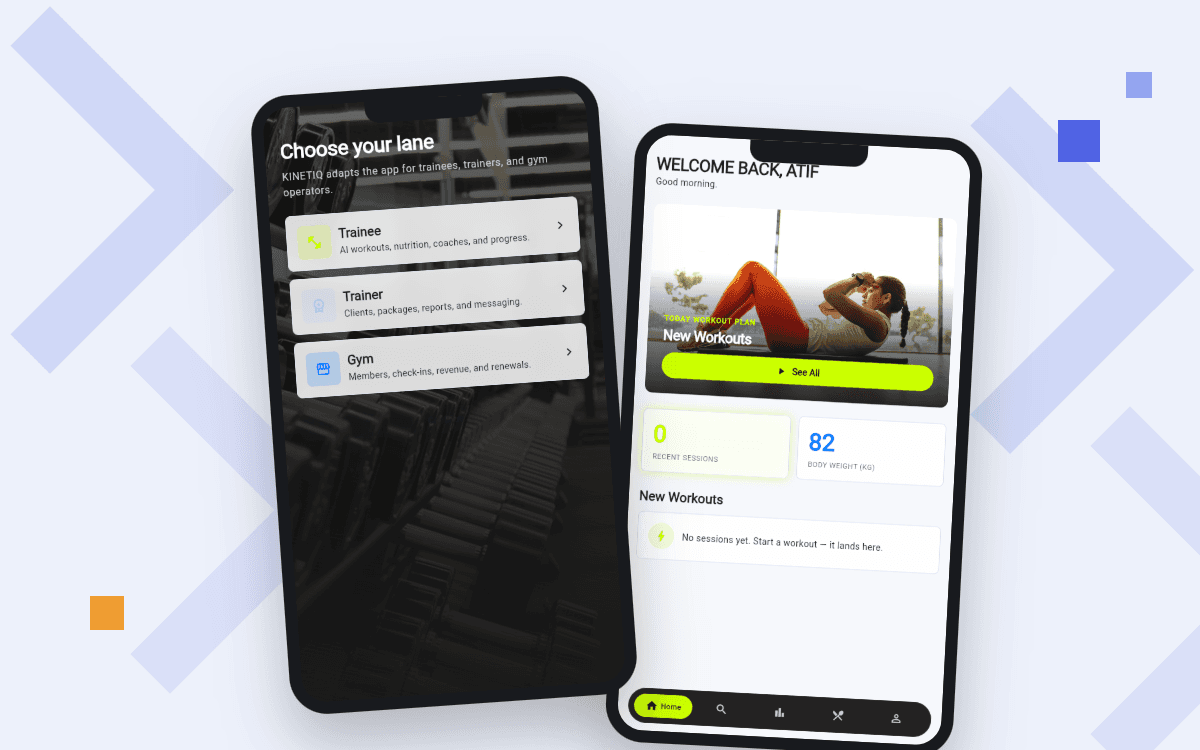
Fitness
Kinetiq — fitness platform with on-device pose analysis
One Flutter app serving trainees, gym managers, and coaches, backed by a .NET 10 API with payments, marketplace payouts, and on-device pose tracking.
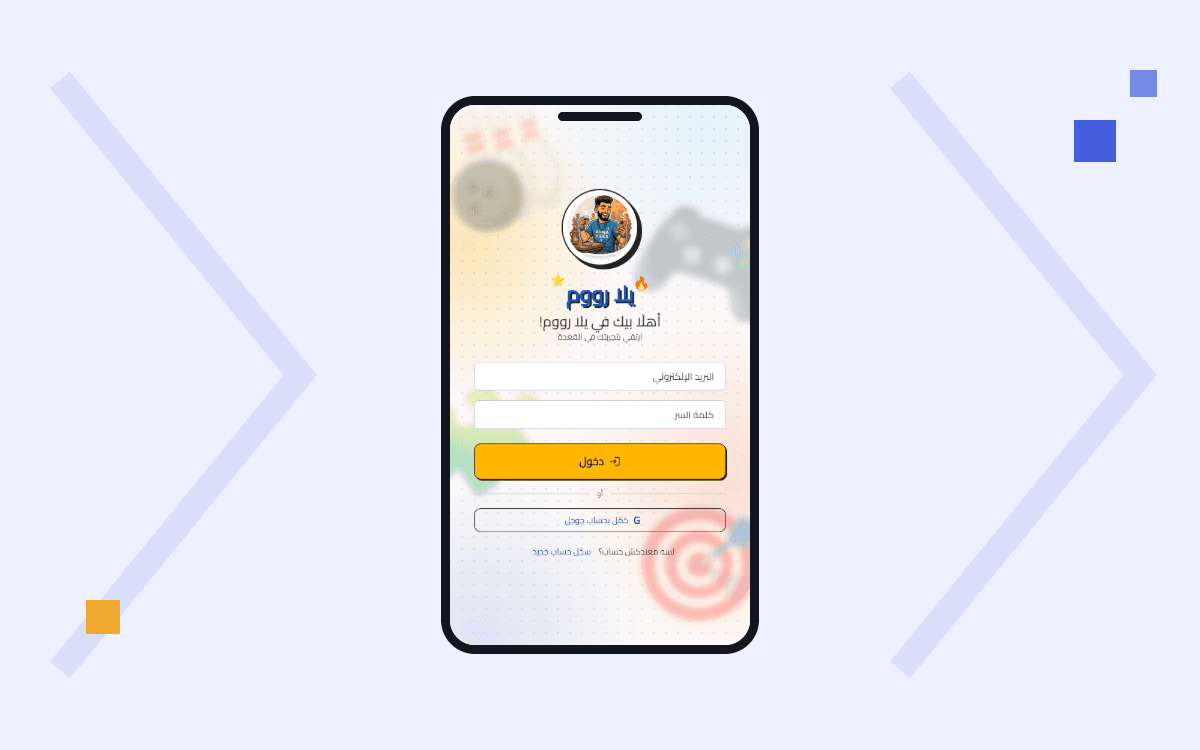
Social gaming
Yalla Room — Arabic party games with server-authoritative scoring
An Arabic-first party-game platform where friends join a room by code and play together live — with every score and coin movement decided on the server, never the phone.

Weddings
Vows — bilingual wedding invitations and vendor marketplace
A bilingual marketplace where couples buy an interactive digital wedding invitation, personalise it, and publish it as a shareable link — plus a vendor directory and an admin back office.
FAQ
Questions clients ask
Who owns the credentials and the accounts?
You do. Cloud accounts, database credentials, and third-party keys are yours and are handed to you as deliverables — we never hold your infrastructure hostage.
Can we get the source code?
Yes, on request. A source-code handover is scoped and quoted separately from the build, not bundled into it. The API documentation and schema you receive are enough for another team to integrate against in the meantime.
What happens when a third-party API changes?
We build integrations that don't break when a third party changes something. Ongoing support after launch runs through a maintenance agreement with a stated response time.
Do you review security before launch?
Yes — a security review is part of the scope, not an optional extra.
Have a project like this in mind? Tell us what it needs to do.
Start a project